
You're on your way!
You're being directed to a third-party site to get a quote.
Since 2011, we've helped more than 5 million visitors understand Medicare coverage.
By shopping with third-party insurance agencies, you may be contacted by a licensed insurance agent from an independent agency that is not connected with or endorsed by the federal Medicare program.
These agents/agencies may not offer every plan available in your area. Please contact Medicare.gov or 1-800-Medicare to get information on all options available.

Yes. Medicare Part B covers a portion of the cost for medically-necessary wheelchairs, walkers and other in-home medical equipment. (Medicare will not cover power wheelchairs that are only needed for use outside the home.) Talk with your doctor about your needs. He or she can write an order for the medically necessary equipment, which can be filled at a designated medical supply company.
Both the doctor and the medical equipment supplier must be enrolled in Medicare in order for the claim to be covered, so double check before you purchase medical equipment.
And you’ll want to understand the difference between providers that accept assignment with Medicare and those that don’t. A durable medical equipment supplier that’s enrolled in Medicare might not accept assignment, which means that the patient will end up paying more for the equipment. As long as the supplier is enrolled in Medicare and also accepts assignment, the patient will not have to pay more than the Part B deductible and 20% of the rest of the cost.
You may live in an area that was using Medicare’s Competitive Bidding Program for durable medical equipment prior to 2019, or for some services in 2021. Beneficiaries in those areas needed to make sure they were using a Medicare contract supplier, but because the Competitive Bidding Program resulted in lower costs on durable medical equipment, the portion that the patient paid was also lower.
For 2019 and 2020, there was a temporary gap in the Competitive Bidding Program for durable medical equipment. New contracts took effect as of January 2021, but only apply to back and knee braces. So for the time being, the competitive bidding program doesn’t apply to walkers or wheelchairs.
If a person has a Medigap (Medicare supplemental insurance) plan, it will likely pay all or a portion of the 20% coinsurance for durable medical equipment like wheelchairs. And if a person still has Medigap Plan C or Plan F, it will also cover the Part B deductible (the other Medigap plans do not cover the Part B deductible; this includes all Medigap plans available to beneficiaries who became eligible for Medicare after the end of 2019).
Coverage of durable medical equipment will vary from plan to plan if the enrollee has Medicare Advantage coverage. These plans are required to cover the same things that Original Medicare covers, so they do provide benefits for durable medical equipment. But the specifics of the coverage will vary depending on the plan. In that case, the Medicare Advantage insurer will be able to explain the coverage details and what steps need to be taken (eg. a prescription from a doctor, prior authorization, etc.) in order to have coverage under the plan.
Used wheelchairs, walkers and basic medical supplies can also be found at even greater savings as church bazaars, estate sales, garage sales, and online.
Louise Norris is an individual health insurance broker who has been writing about health insurance and health reform since 2006. She has written hundreds of opinions and educational pieces about the Affordable Care Act and Medicare for healthinsurance.org and medicareresources.org.

Learn how Medicare covers durable medical equipment (DME), how much Medicare will pay for DME and which items are covered.

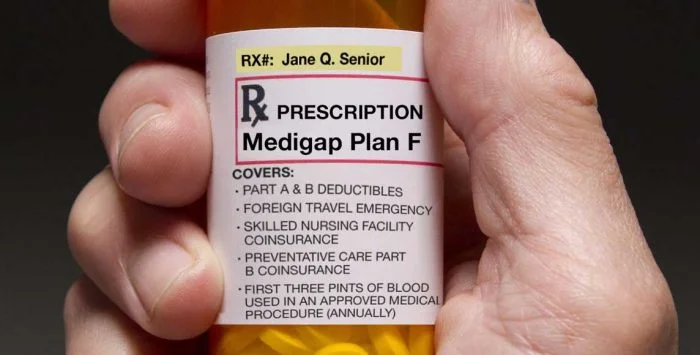
Modern Medigap plans do not include prescription drug benefits. Instead, Medicare offers prescription drug coverage under Part D. Medicare enrollees can get prescription coverage either by switching to a Medicare Advantage plan or by purchasing a stand-alone Medicare Part D plan (PDP) to go along with Original Medicare.

Medicare-assigned retailers agree to charge the Medicare-approved price for their products, and can't bill you for anything more than your Medicare deductible and coinsurance.

If you're enrolled in a Medicare Advantage plan and you're not happy with it, you can switch plans during Medicare's annual open enrollment period. Here are four reasons why you might change coverage.

Enrollment dates for Medicare are critical. Missing an enrollment date could cost you higher premiums down the line — or it could cost you coverage entirely.
Considering a change to your Medicare coverage? Consider these 10 factors when choosing between Medicare Advantage, Medigap, and Part D coverage.
Learn how Medicare covers durable medical equipment (DME), how much Medicare will pay for DME and which items are covered.
Modern Medigap plans do not include prescription drug benefits. Instead, Medicare offers prescription drug coverage under Part D. Medicare enrollees can get prescription coverage either by switching to a Medicare Advantage plan or by purchasing a stand-alone Medicare Part D plan (PDP) to go along with Original Medicare.
Medicare-assigned retailers agree to charge the Medicare-approved price for their products, and can't bill you for anything more than your Medicare deductible and coinsurance.
If you're enrolled in a Medicare Advantage plan and you're not happy with it, you can switch plans during Medicare's annual open enrollment period. Here are four reasons why you might change coverage.
Enrollment dates for Medicare are critical. Missing an enrollment date could cost you higher premiums down the line — or it could cost you coverage entirely.
Considering a change to your Medicare coverage? Consider these 10 factors when choosing between Medicare Advantage, Medigap, and Part D coverage.

