You're on your way!
You're being directed to a third-party site to get a quote.
Since 2011, we've helped more than 5 million visitors understand Medicare coverage.
By shopping with third-party insurance agencies, you may be contacted by a licensed insurance agent from an independent agency that is not connected with or endorsed by the federal Medicare program.
These agents/agencies may not offer every plan available in your area. Please contact Medicare.gov or 1-800-Medicare to get information on all options available.
In recent surveys, we focused frequently on the expenses faced by our readers who have Medicare coverage. We asked how much they pay each month for Medicare premiums, how much they pay out of pocket for prescription drugs, – and whether enrollees are surprised by their healthcare spending now that they have Medicare coverage.
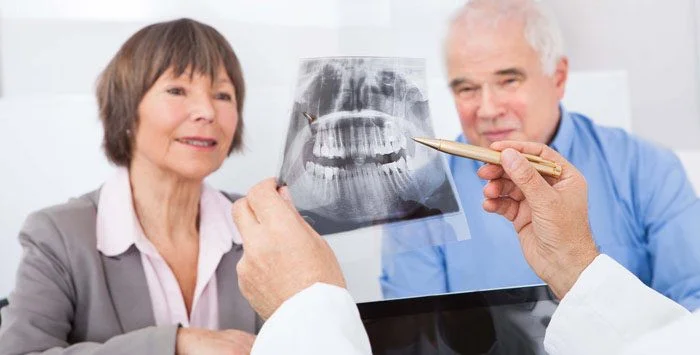
Unfortunately, some basic services are not covered – or are only partially covered under Medicare. Dental care is one obvious expense that can increase Medicare enrollees’ out-of-pocket expenses – and that’s the focus of our current survey.
The CDC estimates that one in five Americans over 65 has untreated dental decay and another 20% of them have no teeth at all. As many as 68% have gum disease. This has a major impact on the ability to effectively chew food and can lead to malnutrition.
Healthy teeth and gums are important in other ways too. Periodontal disease has been associated with an increased risk for cancer, dementia, and heart disease, even in people who don’t smoke. People who are edentulous – meaning they have lost all of their teeth – have been found to be at greater risk for diabetes, kidney disease, sleep apnea, stroke, and other conditions.
Regular dental exams and cleanings promote good oral hygiene. They can also detect diseases in their early stages and treat them more effectively. They have even been shown to decrease the risk for pneumonia for people living in nursing homes.
Original Medicare has limited coverage for dental care, restricting it to situations where dental extractions or oral surgeries are needed to treat other conditions. It doesn’t cover common services such as routine cleanings, fillings, root canals, or even dentures. Keep in mind that 41 million Americans needed dentures in 2020!
Some Americans may turn to Medicare Advantage plans for dental coverage, but that may come with higher premiums. Others may purchase a stand-alone dental plan, get dental coverage through Medicaid if they are dual eligible, or get dental insurance through an employer-sponsored health plan – their own or a family member’s. Many go without the care they need.
Understanding the important role dental health plays in your overall health, we wanted to take a closer look at dental coverage. If you have Medicare coverage, tell us: do you have dental insurance?
Please take a moment to let us know what approach you take to dental insurance. And if you have specific questions, please feel free to leave a comment below and we’ll get back to you.

