
You're on your way!
You're being directed to a third-party site to get a quote.
Since 2011, we've helped more than 5 million visitors understand Medicare coverage.
By shopping with third-party insurance agencies, you may be contacted by a licensed insurance agent from an independent agency that is not connected with or endorsed by the federal Medicare program.
These agents/agencies may not offer every plan available in your area. Please contact Medicare.gov or 1-800-Medicare to get information on all options available.

Enrolling in Medicare is fairly straightforward and, in many cases, automated. If you are already receiving Social Security or Railroad Retirement benefits, you will be automatically enrolled in Medicare and will receive a Medicare card for Part A and Part B about three months before you turn 65. Part A will be premium-free (assuming you or your spouse have worked at least ten years and paid Medicare payroll taxes).
If you are not already receiving Social Security or Railroad Retirement benefits, you’ll be able to enroll in Medicare starting three months before the month you turn 65. If you enroll during those three months, your coverage will begin on the first of the month that you turn 65 (or the first day of the prior month if your birthday is the first of the month). You can also enroll during the month you turn 65, or during the three following months, but the start date of your coverage will be delayed.
Part B is not free, and if you’re automatically enrolled in Medicare when you turn 65 and you want to decline Part B, you must contact Medicare. Instructions on how to decline Part B will be included in the materials sent to you three months before you turn 65.
It’s not recommended that you decline Part B unless you have coverage from your current employer or your spouse’s current employer. Part A only covers hospital charges, so it’s not considered sufficient as a sole source of coverage, and there’s a late enrollment penalty for Part B and limited enrollment windows if you initially decline coverage without having employer-sponsored coverage in place.
Here’s more about what you need to know before you decide to delay enrollment in Part B.
The same seven-month enrollment window applies to Medicare Part D prescription drug plans, but enrollment in those is not automatic.
You can use Medicare’s plan finder tool to see which available plan will provide the best coverage for the medications you take, and then you’ll need to enroll in the plan you select (you can generally do this online, over the phone, or with a paper application).
Once you’re enrolled in Parts A and B, you have a six-month window during which you can enroll in a Medigap plan. If you miss that window, you may find it difficult or impossible to enroll in a Medigap plan in the future, depending on where you live and how healthy you are.
Or, if you’d rather have a Medicare Advantage plan, you can choose one during the seven-month enrollment window that applies to Medicare Parts A and B. You’ll continue to pay for Part B, although your Advantage plan will wrap all the benefits of Part A, Part B, Part D (in most cases), and various additional benefits into one plan offered by a private insurance company.
Depending on the plan you pick, you may have to pay a premium to the insurance company for the Medicare Advantage plan, or you may be enrolled in a zero-premium Medicare Advantage plan (you still have to pay for Part B, even if the Advantage plan has no premium, although some Medicare Advantage plans pay a portion of enrollees’ Part B premiums). Across all enrollees with Medicare Advantage plans that include Part D prescription coverage, three-quarters are enrolled in zero-premium plans in 2026.1
Many Medicare beneficiaries have low incomes and assets that also qualify them for Medicaid coverage. Medicaid and Medicaid-funded Medicare Savings Programs (MSPs) can pay for Medicare premiums, co-pays, deductibles and coinsurance. This page has more information about Medicaid benefits available to Medicare enrollees.
If you’ve got private coverage in the under-65 market, be aware that you’ll need to cancel your previous coverage once you’ve enrolled in Medicare. Talk with your carrier or broker about this to make sure that you don’t double-pay for coverage you don’t need, and to make sure you don’t inadvertently cancel your individual plan too soon and end up with a gap in coverage.
If you’re receiving a premium subsidy in the individual market, your eligibility for the subsidy will end when you transition to Medicare. As long as you enroll in Medicare by the end of your initial enrollment period, your premium subsidy will continue until the day before your Medicare Part B coverage starts — even if you enroll at the end of your enrollment window and thus don’t get Medicare Part B until a few months after you turn 65.
Louise Norris is an individual health insurance broker who has been writing about health insurance and health reform since 2006. She has written hundreds of opinions and educational pieces about the Affordable Care Act and Medicare for healthinsurance.org and medicareresources.org.
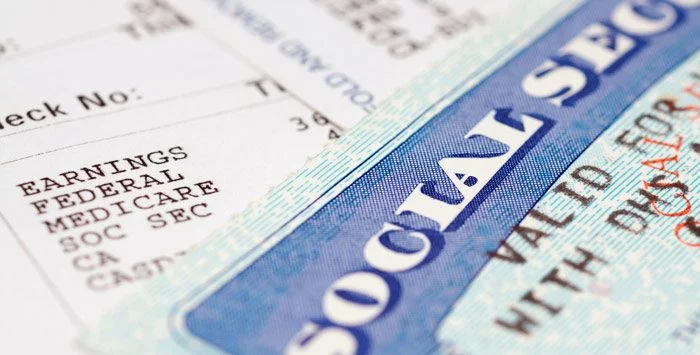
The need for health coverage can arise before your need for Social Security benefits. Social Security and Medicare are interrelated, but it's possible to sign up for one without the other.

If you were penalized for delayed Medicare Part B enrollment, you may have the penalty waived if you were advised to delay Part B, and now find you were given bad advice. Asking for the correction is known as requesting equitable relief.

Medicare beneficiaries can call an easy-to-remember toll-free number – 1-800-MEDICARE – for information that includes specific billing questions and questions about claims.

Here's how to save money on premiums for Medicare Part B – which covers doctor visits, diagnostics, and preventive care.

Reasons to consider a change to your Medicare prescription drug coverage may include high premiums, changes to your prescriptions or your plan's formulary, and your access to in-network pharmacies.

Can't wait to make changes to your Medicare coverage during open enrollment? Just know that open enrollment can also be an occasion for major enrollment blunders. Here are three that you'll want to steer clear of.

Enrollment dates for Medicare are critical. Missing an enrollment date could cost you higher premiums down the line — or it could cost you coverage entirely.
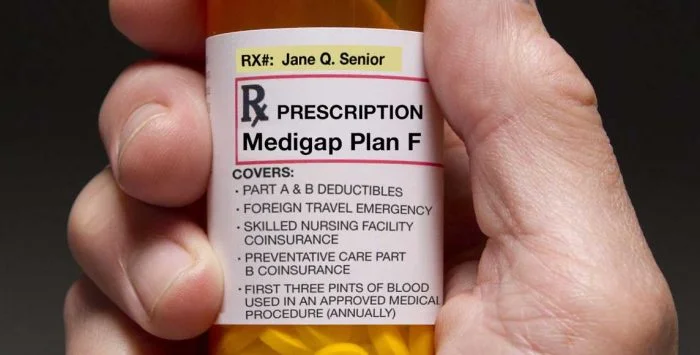
Considering a change to your Medicare coverage? Consider these 10 factors when choosing between Medicare Advantage, Medigap, and Part D coverage.
The need for health coverage can arise before your need for Social Security benefits. Social Security and Medicare are interrelated, but it's possible to sign up for one without the other.
If you were penalized for delayed Medicare Part B enrollment, you may have the penalty waived if you were advised to delay Part B, and now find you were given bad advice. Asking for the correction is known as requesting equitable relief.
Medicare beneficiaries can call an easy-to-remember toll-free number – 1-800-MEDICARE – for information that includes specific billing questions and questions about claims.
Here's how to save money on premiums for Medicare Part B – which covers doctor visits, diagnostics, and preventive care.
Reasons to consider a change to your Medicare prescription drug coverage may include high premiums, changes to your prescriptions or your plan's formulary, and your access to in-network pharmacies.
Can't wait to make changes to your Medicare coverage during open enrollment? Just know that open enrollment can also be an occasion for major enrollment blunders. Here are three that you'll want to steer clear of.
Enrollment dates for Medicare are critical. Missing an enrollment date could cost you higher premiums down the line — or it could cost you coverage entirely.
Considering a change to your Medicare coverage? Consider these 10 factors when choosing between Medicare Advantage, Medigap, and Part D coverage.
Footnotes
