You're on your way!
You're being directed to a third-party site to get a quote.
Since 2011, we've helped more than 5 million visitors understand Medicare coverage.
By shopping with third-party insurance agencies, you may be contacted by a licensed insurance agent from an independent agency that is not connected with or endorsed by the federal Medicare program.
These agents/agencies may not offer every plan available in your area. Please contact Medicare.gov or 1-800-Medicare to get information on all options available.

Medicare beneficiaries receive comprehensive coverage for most health issues and the treatment of acute illness, but there are some expenses Medicare doesn’t cover. To make sure you are covered for some of these services, you may choose to purchase additional insurance, maintain coverage offered by a current or former employer, enroll in Medicaid if you’re eligible, or select a Medicare Advantage plan.
Here’s what you need to know:
The following are not covered by Medicare Part A or Part B and are unlikely to be covered by Medicare Advantage plans:
Medicare has strict rules about services it will cover, and it excludes some services from coverage. These rules are specified by law,7 so while many commercial insurance plans that cover people who aren’t eligible for Medicare can make exceptions to their rules – and choose to cover certain services in certain circumstances – Original Medicare (Part A and Part B) can’t usually do this.
Medicare Advantage plans may cover the following services that are excluded by Original Medicare:
Medicare Advantage plans are required to cover all of the services that Original Medicare covers (out-of-pocket costs differ).15 In addition, it’s very common for Medicare Advantage plans to also offer supplemental coverage for services that aren’t covered by Original Medicare. The most widely available supplemental benefits are vision, hearing, dental, and fitness programs, but there are a variety of other supplemental benefits that Medicare Advantage plans can offer.16
There’s a lot of variation from one Medicare Advantage plan to another when it comes to supplemental coverage. There’s also variation in terms of how mandatory coverage (Part A and Part B services) is provided, with differences in out-of-pocket costs, provider networks, prior authorization rules, and managed care designs (HMO, PPO, etc.). So picking a Medicare Advantage plan requires careful consideration.
You’ll want to prioritize the most important aspects, such as total out-of-pocket costs, access to medical providers, and coverage of the medications you need (most Medicare Advantage plans include Part D drug coverage). After you’ve narrowed down your options, comparing the supplemental benefits offered by each plan can be a good way to figure out which plan will provide you with the best overall value. The annual open enrollment period (October 15 to December 7) is your opportunity to switch plans if you’d like to do so. If you’re already enrolled in a Medicare Advantage plan, you also have an opportunity to switch to a different Advantage plan (or to Original Medicare) during the Medicare Advantage Open Enrollment Period (January 1 to March 31).17
Medicare beneficiaries who don’t want to use Medicare Advantage may choose to purchase private dental or vision insurance to have coverage for these services. And as noted above, certain Medigap plans provide supplemental coverage for medical emergencies during a trip abroad.
These services are only covered under private Part D prescription drug plans (including Medicare Advantage Prescription Drug plans):
Before the Affordable Care Act (ACA), preventive screening exams generally were not covered by Medicare, but numerous screening tests are now covered under Medicare Part B because of the ACA.20
To cover long-term care, some Medicare enrollees purchase private long-term care insurance, although this can be quite expensive. Medicaid provides coverage for long-term care services in every state, along with various other services Medicare doesn’t pay for, like non-emergency medical transportation.
If Medicare decides not to pay for a service you need, you can appeal (although you’ll appeal to your insurer if you have a Medicare Advantage plan).21 But if the service isn’t covered at all under Medicare, then an appeal probably won’t benefit you.

Medicare covers COVID-19 vaccines 100%. Medicare Part B covers the primary vaccine series and any booster shots recommended afterward by the Advisory Committee on Immunization Practices and the Centers for Disease Control and Prevention.

Modern Medigap plans do not include prescription drug benefits. Instead, Medicare offers prescription drug coverage under Part D. Medicare enrollees can get prescription coverage either by switching to a Medicare Advantage plan or by purchasing a stand-alone Medicare Part D plan (PDP) to go along with Original Medicare.

Medicare reimbursement refers to the payments that hospitals and physicians receive in return for services rendered to Medicare beneficiaries. The reimbursement rates for these services are set by Medicare, and are typically less than the amount billed or the amount that a private insurance company would pay.

If you're enrolled in a Medicare Advantage plan and you're not happy with it, you can switch plans during Medicare's annual open enrollment period. Here are four reasons why you might change coverage.

For half a century, Medicare has provided comprehensive health insurance coverage to America's seniors. But dental coverage isn't included in Original Medicare or Medigap plans.
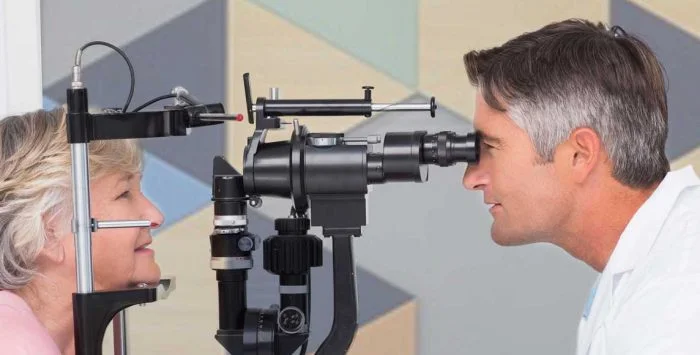
Medicare won’t pay for routine vision services, but it will cover the cost of diagnosing and treating most eye diseases and conditions.
Medicare covers COVID-19 vaccines 100%. Medicare Part B covers the primary vaccine series and any booster shots recommended afterward by the Advisory Committee on Immunization Practices and the Centers for Disease Control and Prevention.
Modern Medigap plans do not include prescription drug benefits. Instead, Medicare offers prescription drug coverage under Part D. Medicare enrollees can get prescription coverage either by switching to a Medicare Advantage plan or by purchasing a stand-alone Medicare Part D plan (PDP) to go along with Original Medicare.
Medicare reimbursement refers to the payments that hospitals and physicians receive in return for services rendered to Medicare beneficiaries. The reimbursement rates for these services are set by Medicare, and are typically less than the amount billed or the amount that a private insurance company would pay.
If you're enrolled in a Medicare Advantage plan and you're not happy with it, you can switch plans during Medicare's annual open enrollment period. Here are four reasons why you might change coverage.
For half a century, Medicare has provided comprehensive health insurance coverage to America's seniors. But dental coverage isn't included in Original Medicare or Medigap plans.
Medicare won’t pay for routine vision services, but it will cover the cost of diagnosing and treating most eye diseases and conditions.
Footnotes

